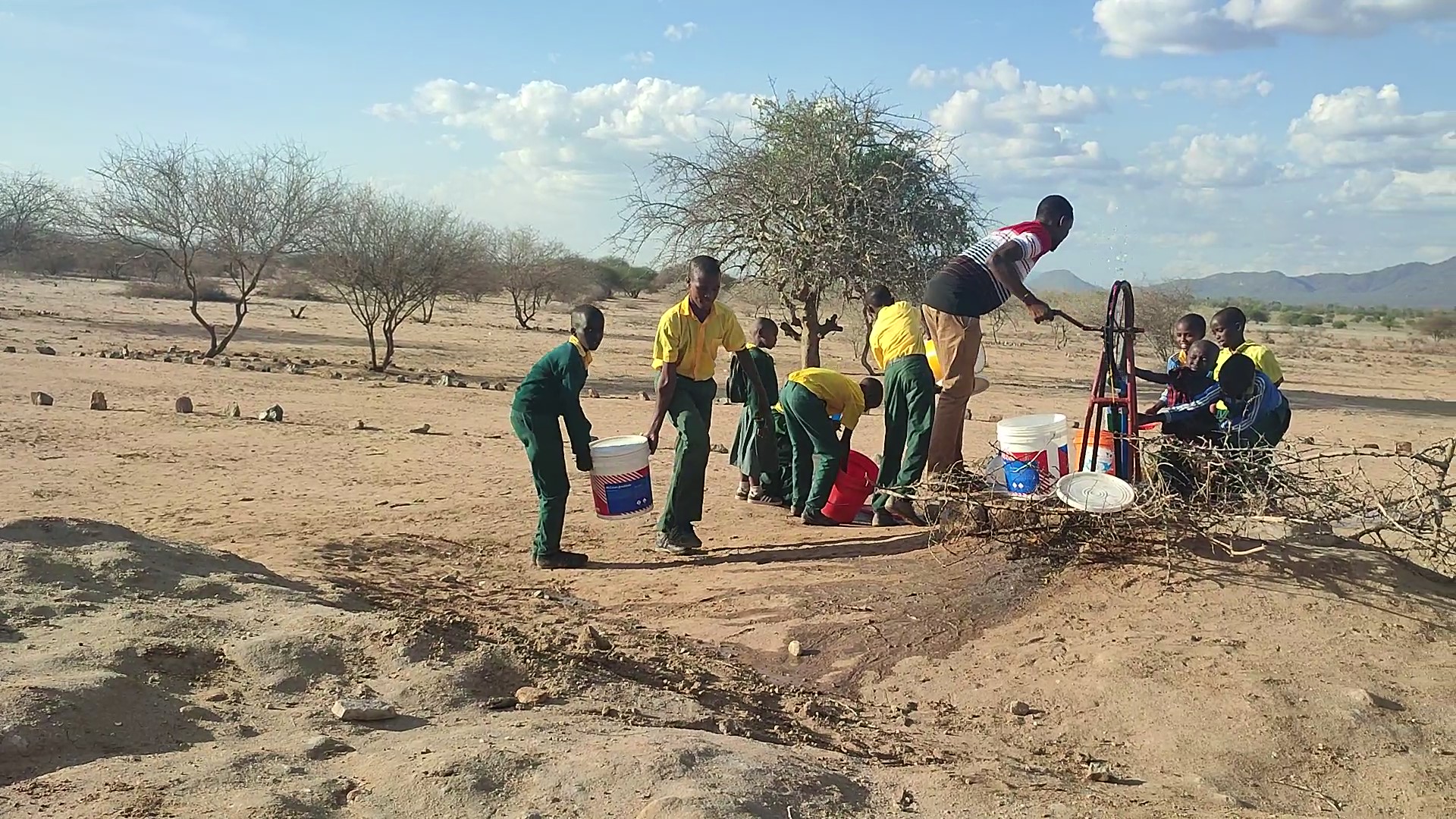
The Engata School in the southern Maasai Steppe of Tanzania suffers from a major problem: a lack of sufficient, year-round access to clean drinking water. The school currently has only one water tank (capacity 60,000 liters), which is filled with rainwater collected from the roof gutter of one of the three school buildings. During the dry season, this water is quickly depleted, forcing the school to purchase expensive, dirty water from the Ruvu River, located approximately 3 kilometers away, and transport it to the school.
The construction of an additional cistern with a capacity of approximately 150,000 liters and a filtration system will ensure that the school has sufficient and, above all, clean water even during dry periods. A filtration system from the JaDi Maji drinking water project will be used, a project that has already been implemented several times in Tanzania to ensure an adequate water supply through the storage and filtration of rainwater.
The construction of such a drinking water system is divided into three phases, some of which can be carried out simultaneously. The estimated investment volume for the construction of the water reservoir and the filtration system is approximately €36,000.
Project status
October 2023:
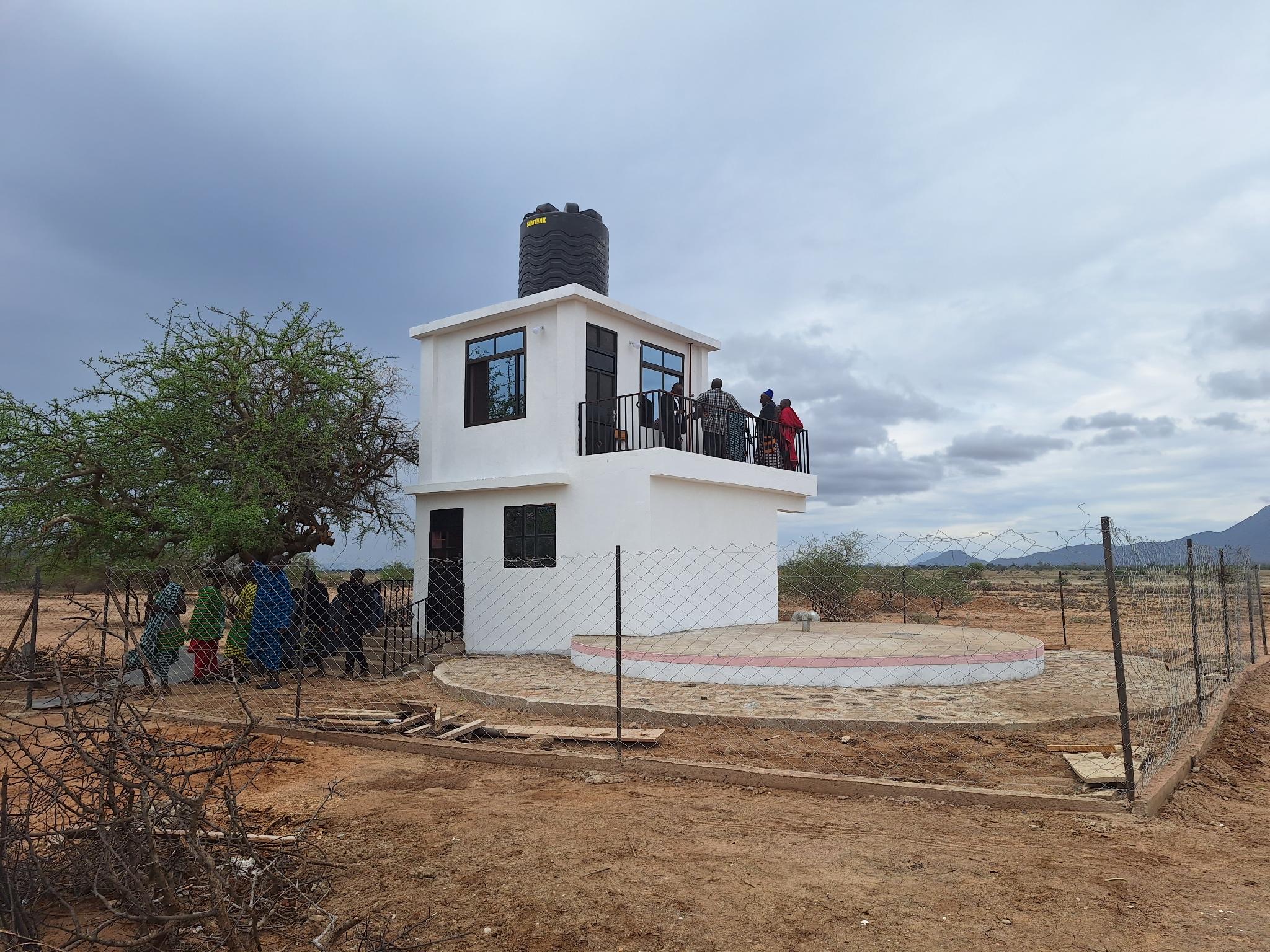
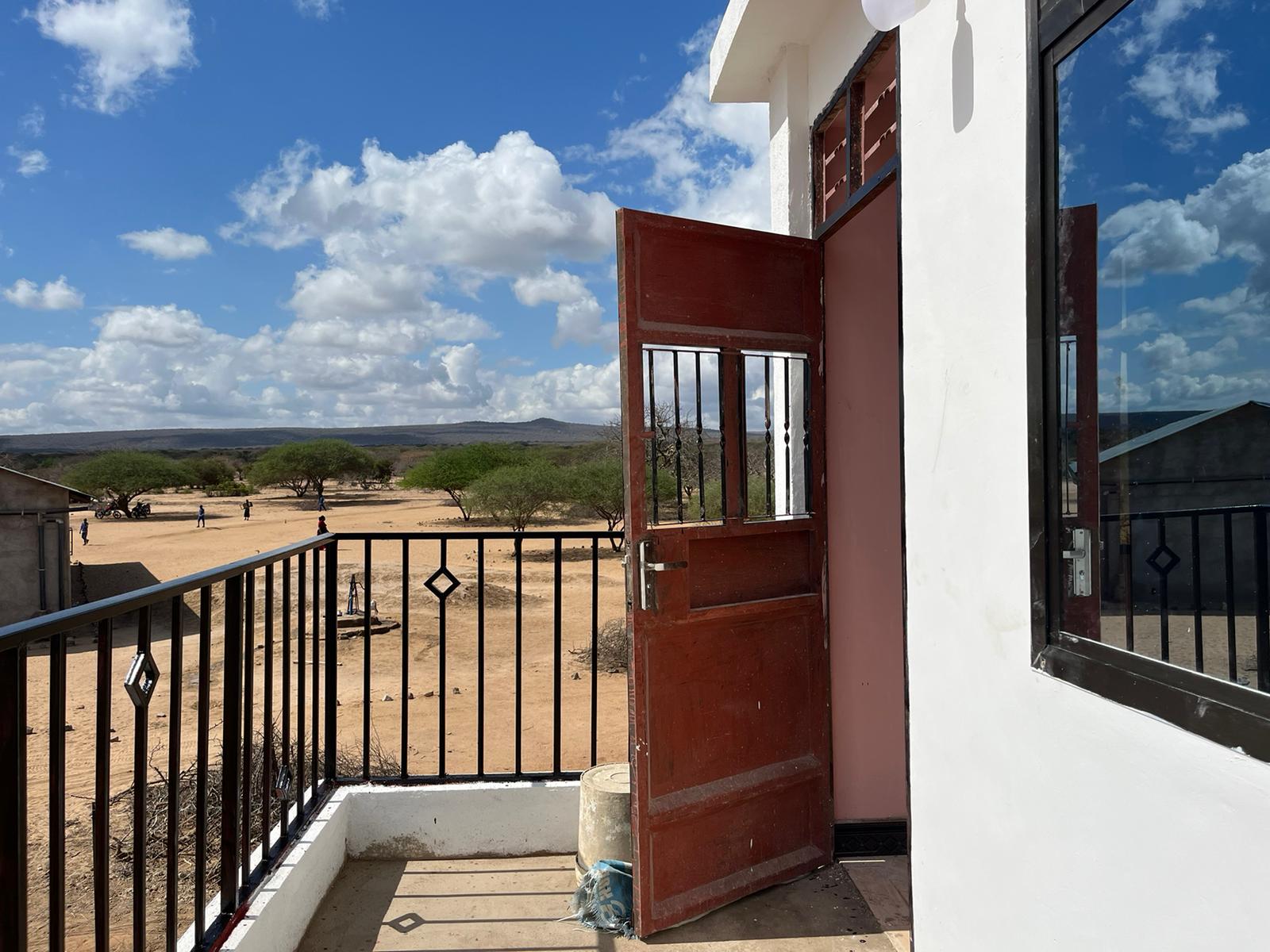
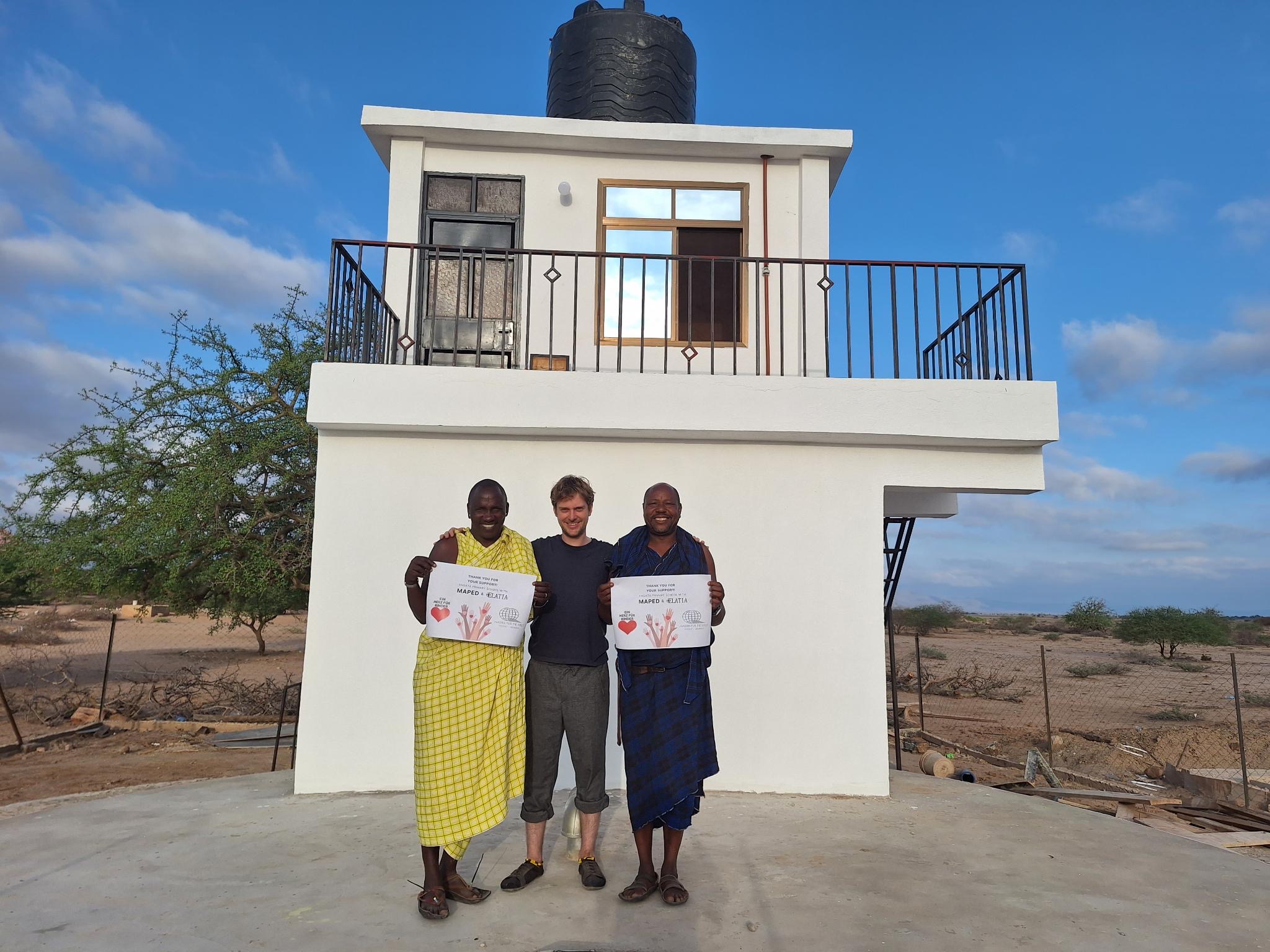
The first phase of the project is complete! Construction of the filter house is finished. Our chairman visited the site in October and inspected the entire structure. We are very pleased and grateful that so many supporters made this project a reality! Thank you so much!
August 2023:
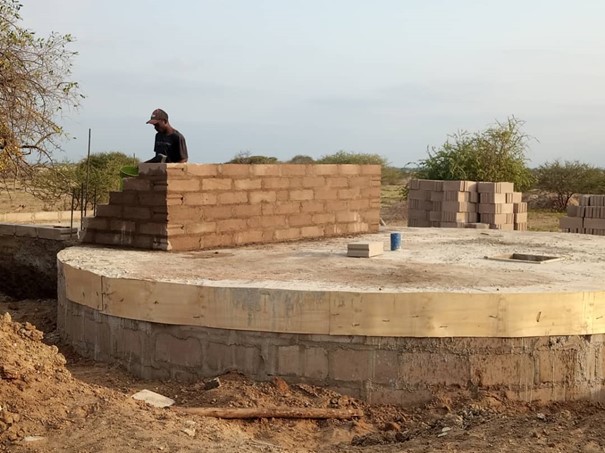
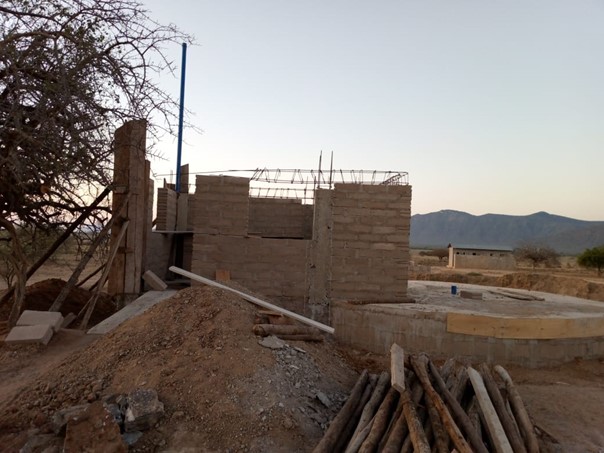
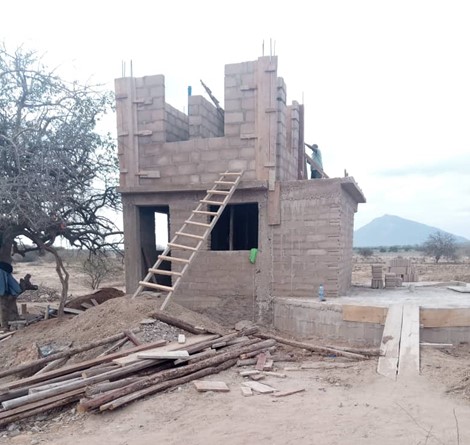
The lid was poured in July, thus completing the construction of the cistern. Construction of the filter house began concurrently and has taken on a more pronounced form in the last week. The project is progressing very promisingly, and we are all very pleased with the results.
July 2023:
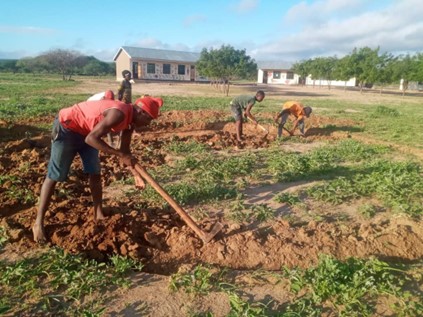
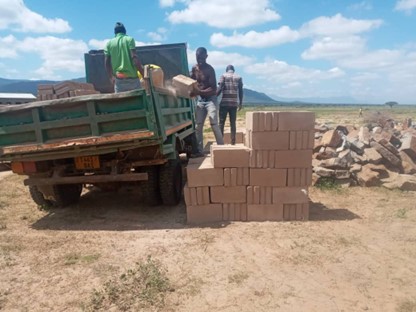
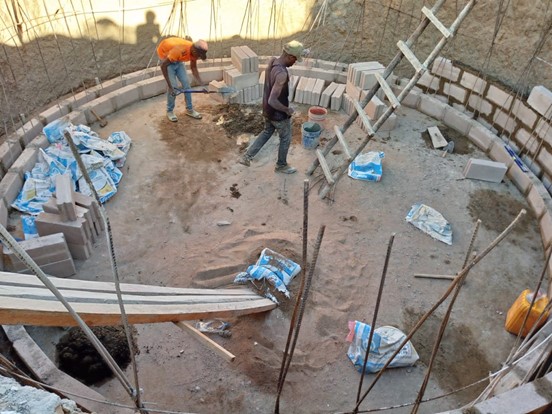
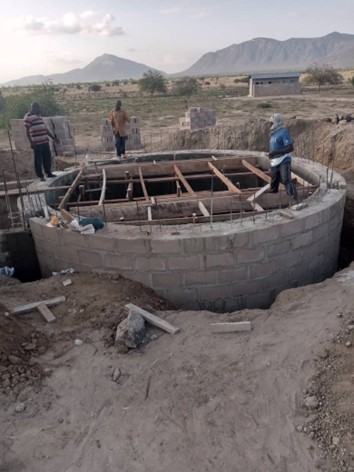
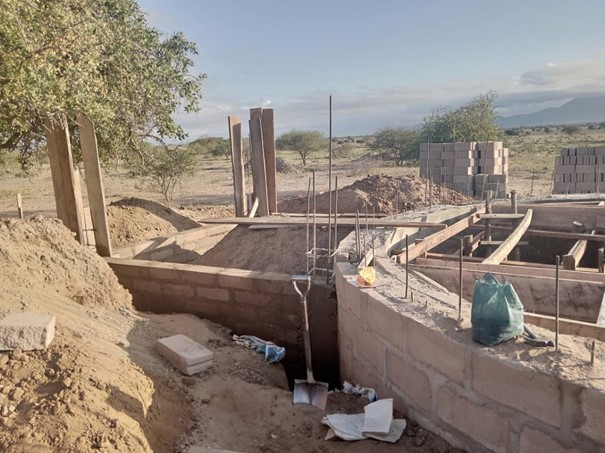
By the end of April, the cost estimates had been optimally adapted to the regional conditions through various revision rounds. Since May, local construction workers have been on site and have now completed excavating the pit for the cistern. At the beginning of June, the first materials for the cistern arrived at the school, allowing the actual construction to begin. The pit was lined with stones and concrete to ensure a safe and robust structure. The wooden formwork for the concrete cistern lid was then prepared. Now the lid needs to be poured. In addition, work on the foundation for the filtration building began last week.
April 2023:
We were able to largely finalize the financing by the end of last year, so we can now actually implement the drinking water project at Engata Primary School!
For the construction of the cistern, water tower, and filter house, we intend to engage local workers with whom we have already successfully completed projects. The cistern is an essential component of the drinking water system, as it allows for the effective collection and storage of rainwater. Its construction is particularly material- and labor-intensive because a reinforced concrete lid must be poured using wooden formwork. We are currently working on the third revision of the cost estimates, aiming to optimally incorporate regional conditions. We are very satisfied with the communication and planning so far and are optimistic about concluding the planning process soon. Due to the school’s decentralized location, logistics planning will be the next major challenge.
Initial situation
“Water. What a topic.” That’s how Laura’s account from 2020 began, and water remains a crucial issue today. Water is the world’s most important resource, and although Tanzania has abundant water resources, water supply is a major problem at the Engata School. Water scarcity, exacerbated by climate change, has been a concern for the school and MAPED since their inception. Hygiene and education about infectious diseases like HIV are key priorities for the NGO MAPED.
Water is essential for survival and is used not only as drinking water, cooking and washing, but is also of vital importance for livestock farming, which is the economic basis of the Maasai people.
The school needs approximately 4,000 liters of water per week. This water is used for drinking and daily for preparing lunch for the students and teachers.
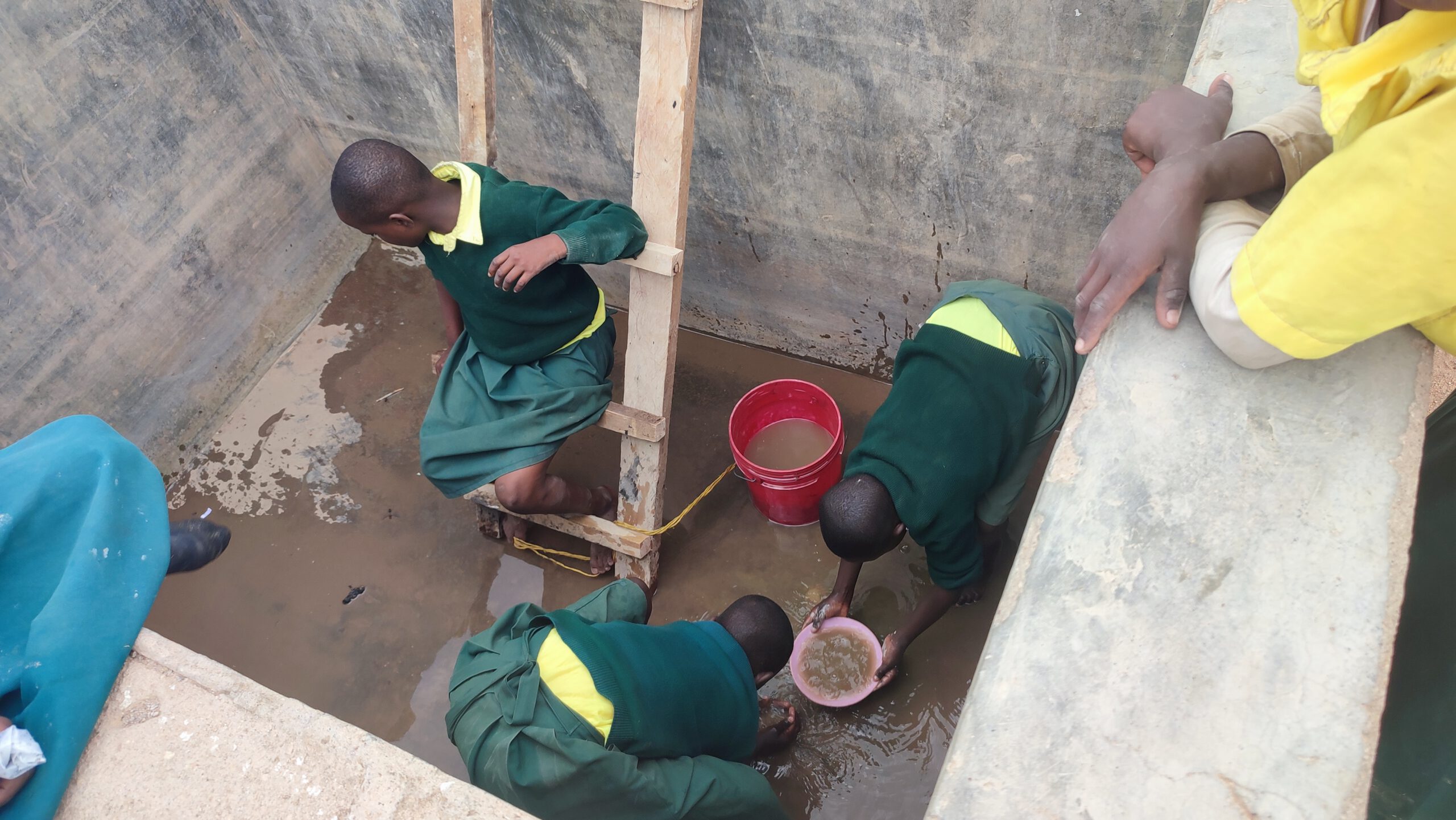
Currently, the school has only one water tank, which can hold about 60,000 liters. The tank is connected to the roof gutter of one of the three school buildings and is filled with water during the rainy season. During the dry season, the water runs out quickly, so water has to be purchased from the Ruvu River, about three kilometers away, at considerable expense and transported to the school. The river water is very dirty and is usually used unfiltered, posing a risk of life-threatening diarrheal diseases for the children. Furthermore, due to the global economic situation, both transportation costs and the cost of firewood for purifying the dirty river water are rising rapidly.
Project plans and objectives
The construction of an additional cistern with a capacity of 150,000 liters and a filtration system will ensure that the Engata School has sufficient and, above all, clean water even during dry periods. A filtration system from the JaDi Maji drinking water project ( https://www.facebook.com/DrinkingWaterForMalambo ) will be used. The system technology is perfectly suited to the regional conditions, has already been used several times in Tanzania, and has been proven reliable over the years.
The construction of such a drinking water system comprises various components. Rainwater is collected from the school roofs and channeled into an underground cistern for storage. For use, the water is pumped by solar-powered pumps through a pre-filter system to a water tower. The height of the tower creates sufficient system pressure to drive the filtration process. Filtration is achieved through a membrane module, which removes bacteria and viruses from the water. The dry season often lasts more than eight months. If rainwater is stored for such a long period, it becomes contaminated and is unsafe to drink without filtration or boiling.
In total, the process requires a cistern, a pump house, and a water tower, in addition to the filtration system. To ensure smooth and long-term operation after completion, local technicians are involved during construction. They receive training in water treatment, hygiene, and technology so that they can maintain the system independently, regularly, and sustainably once finished.
To accommodate the school’s planned growth, the system can easily be expanded with an additional cistern.
Because the school’s location is far from paved roads, transporting building materials is particularly expensive and time-consuming. Once all the necessary materials are on site, construction of the facility can be completed in 4-8 months (depending on the season).
The large cistern will be built first because it can function as a drinking water reservoir even without a filter system. For cost reasons, the building materials for the filter house and the tower should be delivered together with the cistern materials. The installation and procurement of the necessary filter technology will be handled by the JaDi Maji drinking water project.
The filtration system, using membrane technology, provides clean and therefore safe drinking water, which is made directly available to the children. Combined with the hygiene knowledge acquired in school lessons, the children can now act independently and stay healthy. This will also have a positive impact on the children’s parents and grandparents and their hygiene knowledge.
Overall, a safe and sufficient supply of clean drinking water also has a positive effect on school education, as the children not only have improved health but also spend less time fetching water and firewood.
Costs and financing
The estimated investment for the planned construction of the water reservoir and filtration system is approximately €36,000. The main costs are for materials and transportation. Financing is structured around several sources: Elatia plans to provide a portion through direct donations and a crowdfunding campaign. The “Water for the World” foundation is contributing €10,000 to the project, and JaDi Maji will be providing the filtration module.